
Brisbane Superannuation and TPD Claim lawyers
If you have been injured and are unable to work, you may be entitled to claim compensation through your superannuation or Total and Permanent Disability (TPD) insurance, which is often included as a benefit in superannuation policies.
Most people are unaware that they may be entitled to superannuation benefits if they cannot work due to an injury or illness. These benefits can provide you with a regular income stream and can be used to cover the costs of your everyday living expenses.
While the claims process can be complex, our qualified Superannuation and TPD lawyers can guide you through every step and help you receive the full amount you are entitled to.
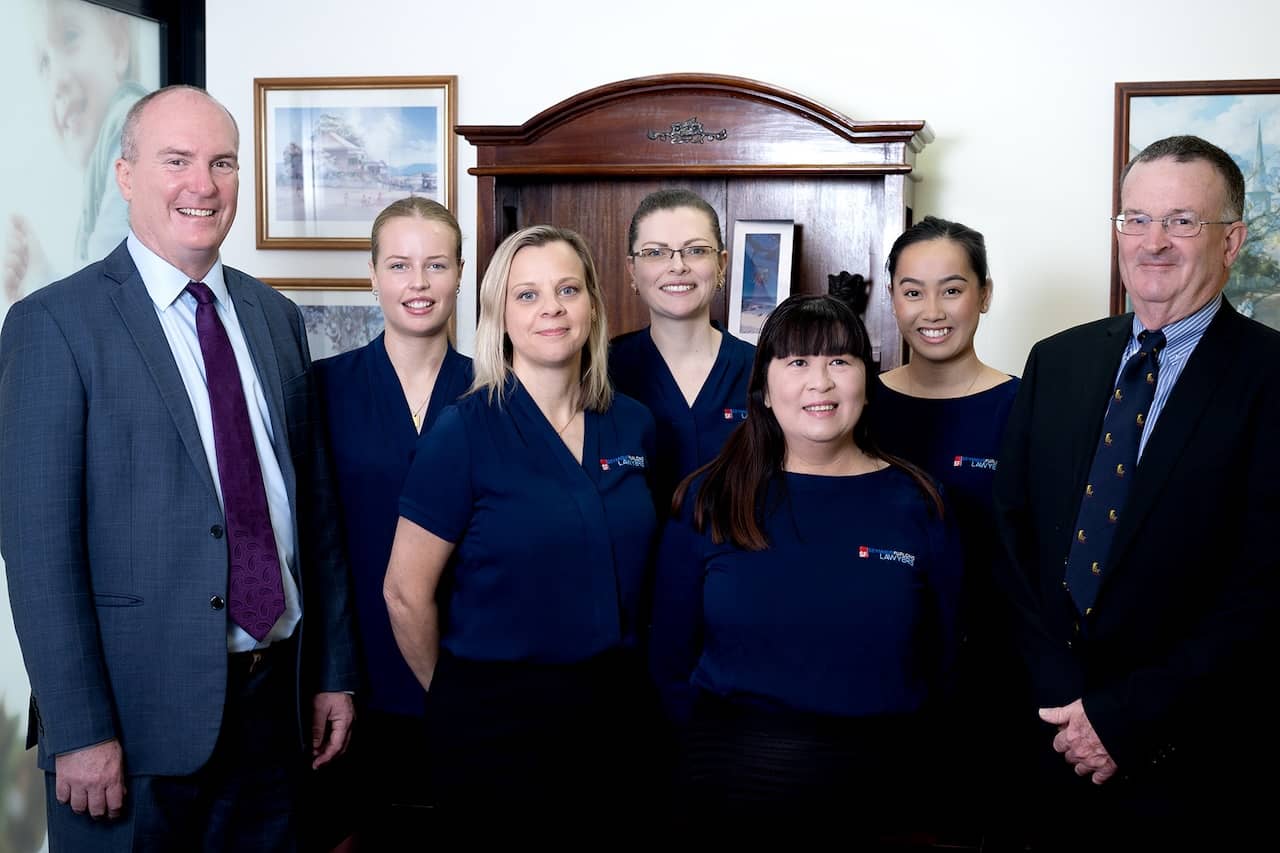
Superannuation TPD Claim Specialists
Whether you are just getting started or your existing TPD claim has been rejected, Seymour Furlong Lawyers can help.
Our specialist team has helped hundreds of people like you secure the compensation they deserve.
Our ‘No Win, No Fee’ guarantee means we’re as committed to your claim as you are, and we’ll fight to get you the maximum possible benefits. We’re also flexible, offering after-hours visits and 24/7 support if needed to fit your needs.
Want to know where you stand?
Call us at 07 3879 1644
No Win, No Fee – Get a 24-hour Assessment and Response
Hire a Lawyer experienced with winning claims just like yours
You Can Count on Us


TPD Claims Explained
A TPD claim is an insurance claim against your superannuation fund that allows a benefit to be paid if you can no longer work or are unlikely to work again due to a physical injury, illness, or psychological condition.
The main focus of a TPD claim is not on what caused the condition or who is at fault but rather on whether you can work again.
Many people can claim their superannuation policy because they have a Total and Permanent Disability (TPD) component and/or Income Protection (IP) cover attached to it. All policies have specific wording, so your policy must be carefully reviewed to ensure you have the correct entitlements.
In some cases, you may have a right to make two claims. For example, if you were injured in a car accident, you can make a claim against the CTP insurer and also a TPD claim under the superannuation policy.
What Are the Most Common TPD Claims?
Common TPD claims, according to statistics collated from the Australian Prudential Regulation Authority (APRA) plus the Australian Securities and Investments Commission (ASIC), include:
- Musculoskeletal Conditions: Approximately 31-33% of all TPD claims, Including chronic back pain, complex joint disorders, and severe mobility-limiting conditions
Disease-Related Claims: Around 30% of TPD claims
Major contributors:
- Cancer
- Cardiovascular diseases
- Neurological disorders
Mental Health Conditions: Roughly 20% of TPD Claims
Encompasses:
- Severe depression
- Chronic anxiety disorders
- Complex psychological conditions
Injury and Trauma-Related Claims: Approximately 14-15% of TPD claims
Includes:
- Workplace accidents
- Motor vehicle accidents
- Severe fractures
- Traumatic injuries
Other common conditions for TPD Claims include:
- Spinal injuries and back pain
- Chronic pain syndromes
- Lung diseases
- Neurological impairments
- Sensory loss (hearing/vision)
- Amputation
- Stroke-related disabilities
Overview of the Claims Process
The first step in making a TPD claim is to ensure you have the right insurance coverage. Your policy should be reviewed to determine whether you can make a TPD claim and what evidence you must provide.
Once you have established your eligibility, you must provide medical evidence to support your claim. This may include medical certificates from doctors and other medical practitioners and documentation of your work history and ongoing medical care. We dove a bit more about this in the section above.
The last step is to make your claim to your TPD insurance provider. This will involve submitting all the necessary evidence, including medical certificates and other supporting documentation. Your provider will then assess your claim and determine your eligibility for TPD benefits.
Do I Need a Superannuation lawyer?
Talking with a lawyer who understands the TPD superannuation claims process is highly advisable.
Despite the process not being overly complicated, we have encountered many people who have lodged unsuccessful claims because they either did it alone or used a lawyer who is not experienced in the field.
An experienced lawyer can help you:
- Correctly advise you on your rights and entitlements
- Assess and help gather evidence to support your claim;
- Do all the preparation required before lodgement
- Ensure you meet all the deadlines
- Represent you during the claims process
- Negotiate with the insurer on your behalf
- Appeal a decision if your claim is denied.
- Arrange settlement on approval
Frequently Asked Questions
What chances do I have of my claim being successful?
Every claim is different; however, as of 2023, Australia’s average TPD claims acceptance rate was 83%. Combine that with our success rate, and you have a high chance of winning your case.
What Supporting Documents are Required for a TPD Claim?
You must meet all the definitions outlined in your policy and provide medical evidence, including medical certificates from doctors and other medical practitioners.
Most TPD policies are ‘any-occupation’ policies, which pay out if you’re unable to work in any job suited to your skills and experience due to permanent disability. These policies are harder to claim than ‘own occupation’ policies, as you must prove you can’t work in any reasonable job, not just your previous one.
‘own-occupation’ policies mean you only need to prove that you will never be able to return to work full-time in your previous role. This can be easier to prove if, for example, you are a bricklayer who has broken their back.
Depending on your level of coverage, you may also be required to submit your work history to satisfy eligibility criteria. This can include 12 months of employment history, whether you’re a full-time or part-time worker or whether you work a minimum number of hours.
If you successfully make a claim, some policy providers will ask you to prove that you’re receiving ongoing medical care to improve your condition or prevent further illness.
What is a total permanent disability?
Total permanent disability (TPD) is a term used to describe an injury or illness that has left you completely unable to work. If you have been diagnosed with a TPD, you may be entitled to receive benefits from your superannuation fund.
Can I make a TPD claim if I am not working?
Yes. You can make a TPD claim even if you are not currently working. However, you will need to provide evidence that your injury or illness has prevented you from being able to work in the future.
When Can I Make a TPD Claim?
Generally speaking, you must be absent from work for at least 6 months before a claim can be considered (although this varies between policies).
What are the benefits of making a TPD claim?
- Financial support to help you meet your everyday living expenses;
- Rehabilitation support to help you recover from your injury or illness;
- The peace of mind of knowing that you can support yourself and your family if you cannot work in the future.
Is there a time limit for lodging my claim?
A time limit will apply for your claim, but this varies from fund to fund and insurer to insurer. Under some schemes, you can claim immediately, while others require spending at least six months off work. We suggest instructing a lawyer to ensure you meet all the relevant legal requirements. If your employment is terminated, you usually must claim within two years.
How long will it take to process my claim?
How long it takes to process a superannuation claim will depend on the complexity of the matter. Generally speaking, most claims are settled within two to three months, but it may take much longer if your claim progresses to trial (which is highly unlikely).
How much money will I receive for a successful claim?
The amount of money you receive will depend on the type of insurance cover you have and how much you’re insured for. You can usually find this information in the fine print of your policy documents. We help people with this as they start the superannuation claims process.
How Do TPD claims work If I Have multiple super funds?
If you have multiple super funds from different employers, you may be able to claim multiple benefits simultaneously. However, before you make such claims, you should carefully check the conditions of each fund.
What happens if my TPD claim is denied?
You could choose to appeal the decision if your TPD claim is rejected. To understand the grounds for the denial and consider your options for appeal, speak with a lawyer or a TPD claims specialist.
Can I make a TPD claim if I have already received workers' compensation?
You can file a TPD claim even if you currently collect workers’ compensation. However, any other benefits you may be getting could impact how much money you get from a TPD claim. For further information, speak with a lawyer or a TPD claims specialist.
What is a normal superannuation claim?
A superannuation claim is a request made under a superannuation scheme to access benefits early due to illness, injury, or financial difficulty. The conditions and the policy’s provisions will determine what kind of claim is made.
What are the different types of superannuation claims?
TPD (Total and Permanent Disability), Income Protection, and Financial Hardship claims are among several superannuation claims. Particular conditions and evidence must be met for each type of claim to be eligible. It’s important to speak to an experienced superannuation lawyer to determine what conditions can apply to your situation.
What is the difference between TPD claims and death claims?
While TPD claims provide financial assistance to people who are unable to work due to a permanent disability, death claims, or death dependency claims provide financial assistance to the policyholder’s surviving family in the event of the policyholder’s death.
Take the Next Step Today - Book a Free Consultation
We understand how difficult it can be to deal with an injury or illness when you need to pay bills and keep food on the table. We’re here to help you through every step of the process at no upfront cost. We only get paid if you win.
Contact us today to book your free, no-obligation consultation. Call us on 07 3879 1644, or send us your details on our booking form below.